
For over a decade, open-plan living dominated modern home design. Knocking down walls to create light-filled, flowing spaces became the go-to renovation trend. But as lifestyles have shifted, especially in the wake of the Covid-19 pandemic, homeowners are rethinking whether open-plan layouts really work for daily life. Enter the broken-plan living trend – a smarter, more flexible approach that is quickly overtaking open-plan living in popularity.
What Is Broken-Plan Living?
Broken-plan living is a design approach that retains the spacious, airy feel of open-plan layouts while introducing subtle separations between zones. Instead of one large, undivided room, the space is carefully sectioned using pocket doors, partitions, half-walls, shelving, or changes in floor level. This creates distinct areas for living, working, dining, and relaxing without losing the sense of connection and flow.
In other words, broken-plan living gives homeowners the best of both worlds – openness with functionality, privacy with style.
Why Open-Plan Living Fell Out of Favour
The pandemic reshaped the way we live and work at home. Open-plan living, once celebrated for its social and aesthetic benefits, suddenly revealed its flaws:
- Noise & Distraction: With families working and studying from home, one open space meant clashing Teams calls and no quiet corners.
- Lack of Privacy: Open-plan layouts make it difficult to create boundaries, especially for home offices or study areas.
- Heating Inefficiency: Larger, unbroken spaces are harder (and more expensive) to heat – an increasing concern with rising energy costs.
- Lifestyle Shift: More people want flexible spaces that can adapt to different uses throughout the day.
These challenges sparked a surge in demand for broken-plan solutions that balance connection with separation.
The Post-Covid Shift: Why Broken-Plan Works
As remote and hybrid work models become the norm, homeowners now need layouts that support work-life balance. Broken-plan living offers:
- Dedicated Workspaces: Easy integration of home offices or study nooks without major extensions.
- Better Acoustics: Partitions and doors reduce sound transfer, making remote meetings more manageable.
- Energy Efficiency: Zoned heating is more practical when spaces are divided.
- Flexible Living: Moveable partitions and sliding doors allow spaces to open up or close off as needed.
This adaptability makes broken-plan living the clear winner for the modern home.
How to Achieve a Broken-Plan Layout
Homeowners can introduce broken-plan living in several ways:
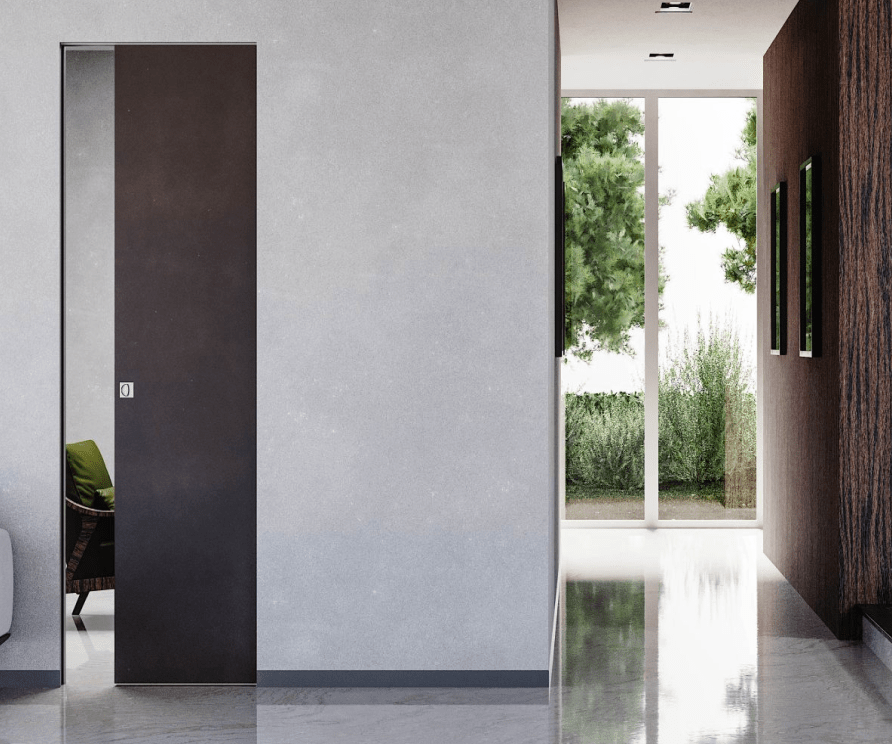
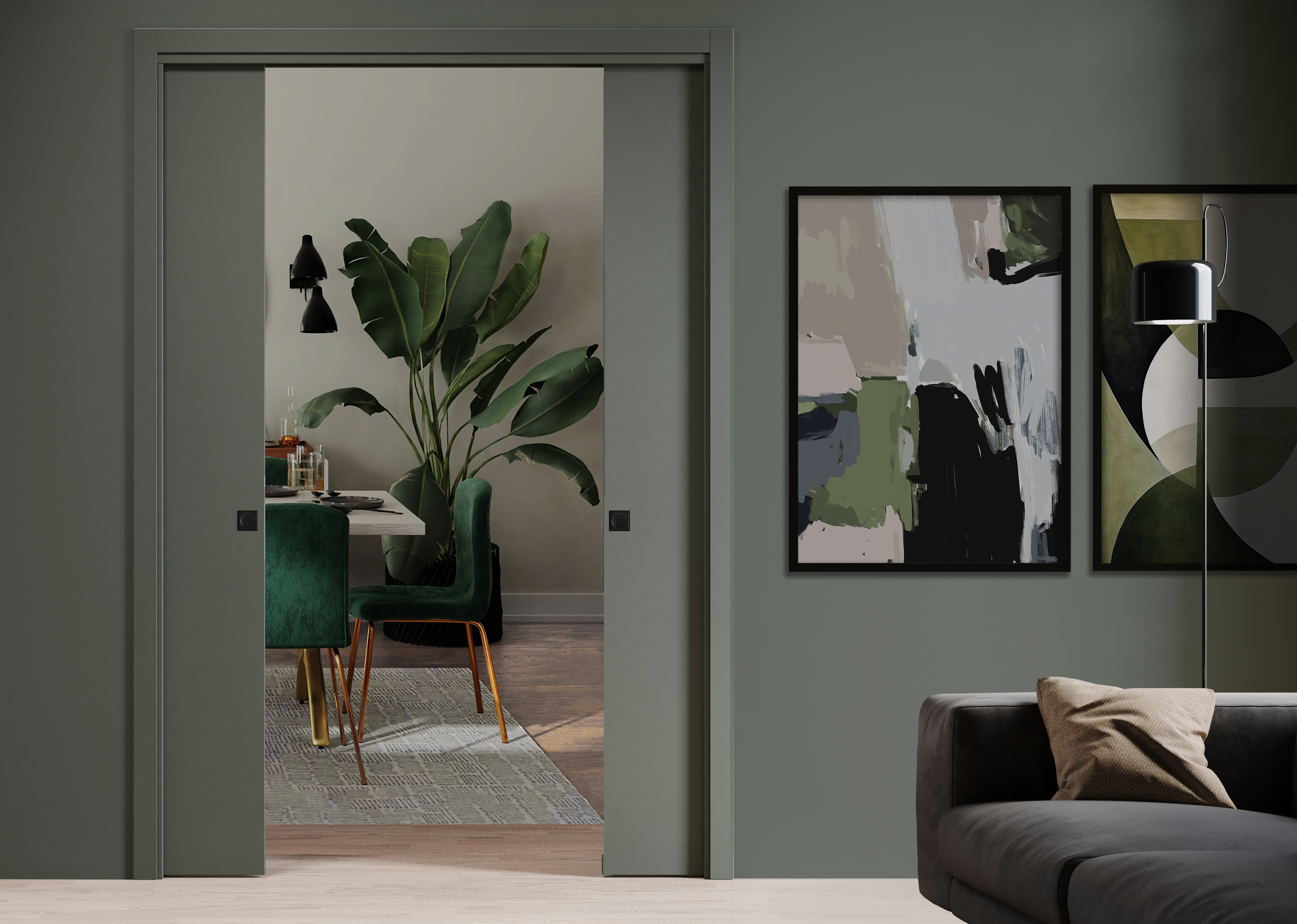
- Pocket Doors & Sliding Partitions: Perfect for creating flexible divisions while saving space.
- Glass Walls & Internal Screens: Preserve natural light while subtly zoning areas.
- Floor Level Changes: A sunken lounge or raised dining area naturally separates spaces.
- Furniture & Shelving: Open shelving units or corner sofas can define zones without walls.
- Colour & Lighting Schemes: Use different tones or lighting to visually distinguish areas.
These solutions make it easy to retrofit broken-plan layouts into existing homes without major structural work.
Broken-Plan Living: The Future of Home Design
As we continue to adapt to hybrid lifestyles, broken-plan living is proving more practical and desirable than its open-plan predecessor. It recognises that homes today aren’t just for relaxing—they are multi-functional hubs where we work, learn, socialise, and recharge.
By striking the right balance between open flow and defined zones, broken-plan living delivers both style and functionality. It’s no surprise that this post-Covid home design trend is overtaking open-plan living as the preferred choice for modern families.
Interested in pocket doors as a solution? Explore our Ermetika Evokit collection here.
Watch some of our videos on the Ermetika range here.