

A Beginner’s Guide to Ironmongery Terms:
Ironmongery is an essential part of door hardware, but the terminology can often feel overwhelming. From roses and backplates to spindles and strike plates, there’s a lot to unpack. This guide will help you understand the most common ironmongery terms so you can make confident choices when selecting door furniture.
The Rose
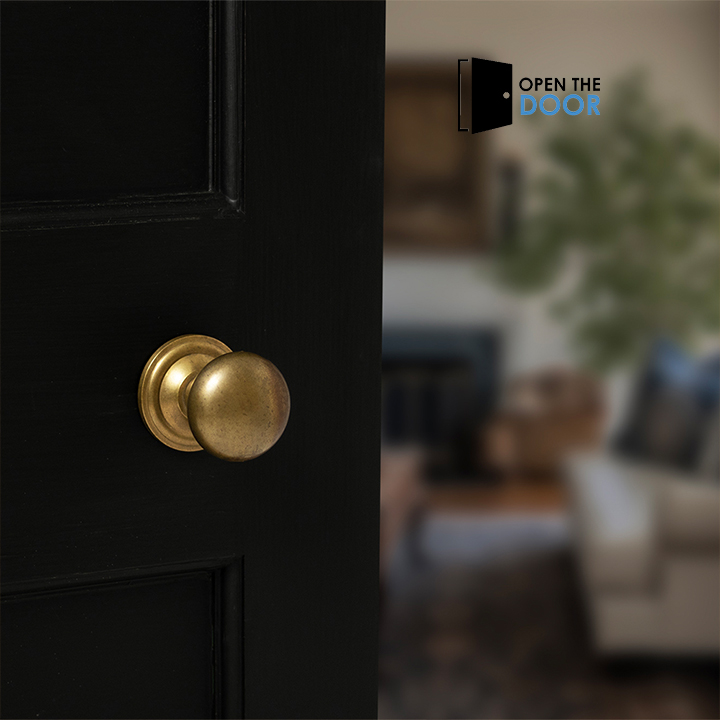
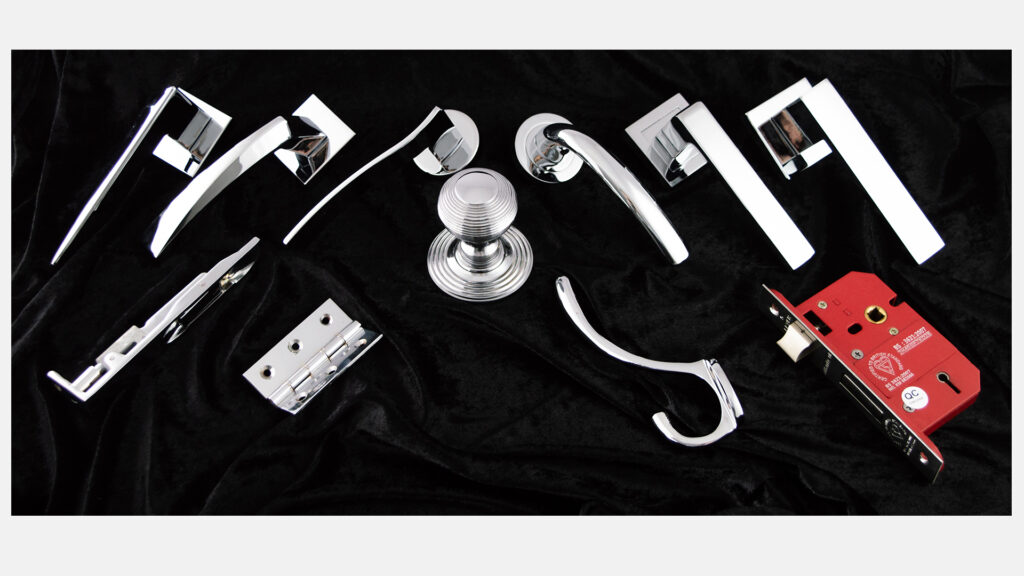
A rose is the plate to which lever handles or door knobs are attached.
-
Fixings: Some roses are face-fixed, while others have concealed fixings hidden under a cover rose.
-
Shapes: Traditionally circular, but increasingly available in square or rectangular designs for modern interiors.
-
Examples: Most of our lever handles and mortice knobs feature concealed roses, apart from the Whitby Ebony Wood Mortice Knobs in the Old English collection.
Backplate
A backplate is a stamped or forged plate attached to a lever, creating a lever on backplate.
-
Fixing style: Most backplates are face-fixed.
-
Design note: These are ideal if you want a more traditional or decorative look compared to minimal roses.
Sprung vs. Un-sprung
When choosing door handles or knobs, you’ll often come across the terms sprung and un-sprung:
-
Sprung: Built with an internal spring in the rose or backplate. The handle or knob automatically returns to position after use.
-
Un-sprung: Relies on the latch or lock’s spring mechanism to return the handle. This requires a heavier sprung latch for smooth operation.
Latch
A latch is the mechanism that keeps a door closed by using a sprung, bevelled metal tongue.
-
Operation: Retracts when the lever or knob is turned via the spindle.
-
Types:
-
Tubular latches – compact and easy to fit.
-
Flat latches – larger case, less common.
-
Smart latches – modern designs requiring minimal drilling, often just one 25mm hole.
-
Strike Plate
The strike plate is the metal plate fixed to the door frame.
-
Purpose: It aligns with the latch so that, when the door closes, the latch clicks securely into place.
-
Benefit: Protects the door frame and ensures smooth operation.
Hinge
A hinge is a vital component of any door.
-
Construction: Made of two plates joined with a removable pin, fixed with screws to the door and frame.
-
Function: Securely holds the door while allowing it to swing open and shut.
-
Varieties: Available in many types, sizes, and materials depending on the door weight and use.
Spindle
A spindle is a metal bar that passes through the door, connecting the handles on each side.
-
Function: Turns the latch or lock mechanism when the handle is operated.
-
Sizes: Available in different lengths and thicknesses, but the standard is 7.6mm x 25mm.
Escutcheon
An escutcheon is a protective plate fitted around a keyhole or lock cylinder.
-
Purpose: Prevents wear on the door surface and can add a decorative touch.
-
Designs: Available in styles to match your door furniture finish.
Final Thoughts
Understanding ironmongery terminology makes it easier to choose the right door hardware for your home or project. Whether you’re upgrading to modern square roses, fitting a new latch, or selecting decorative escutcheons, the right knowledge ensures both functionality and style.